Tag: crypto casino

Crypto Casinos vs Traditional Casinos: Payment Trends in Online Gambling
Online gambling has evolved quickly, espescially in how players deposit and withdraw money. Payment methods now shape the overall experience as much as the games themselves, with platforms like diwa777 reflecting this shift in user expectations. Two main models dominate the pace today. One relies on traditional banking systems, while the other uses digital currencies like Bitcoin and Ethereum. Each option offers different advantages and challenges. Understanding these differences helps players choose what suits their needs.
Traditional Casino Payment Systems

Traditional online casinos use familiar financial methods. These include credit cards, debit cards, and bank transfers. E-wallets are also common, offering an extra layer of convenience. These systems are widely accepted and easy to use. Most players are already comfortable with them. Transactions are usually straightforward, and customer support is often available when issues arise. However, processing times can be slow. Withdrawals may take several days, depending on the method. Fees may also apply, especially for international transfers. Despite these drawbacks, traditional payments remain a stable option for many users.
The Rise of Crypto Casinos
Crypto casinos operate using digital currencies instead of standard money. Players deposit and withdraw using blockchain-based assets. This approach has grown rapidly in recent years. One reason for this rise is speed. Crypto transactions are often completed much faster than bank transfers. In many cases, withdrawals are processed within minutes. This appeals to players who value quick access to their funds. Another factor is accessibility. Crypto casinos can serve users in regions where traditional banking is limited. This opens the door to a broader audience. As adoption of digital currencies increases, more platforms are offering crypto payment options.
Speed and Transaction Efficiency
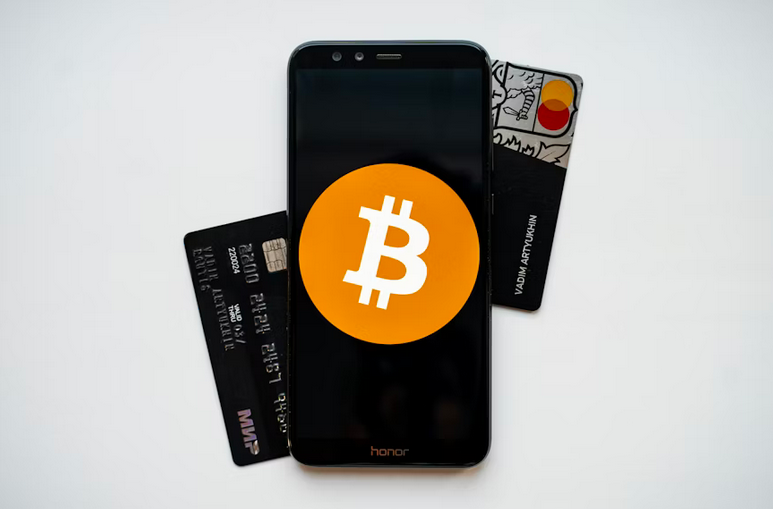
Speed is one of the most noticeable differences between the two systems. Traditional payments rely on banks and intermediaries. Each step adds time to the process. Crypto transactions, on the other hand, move directly through blockchain networks. This reduces delays. Players often receive their winnings faster. Efficiency also plays a role. Fewer intermediaries mean fewer points of failure. This can help ensure smoother transactions. However, network congestion can sometimes slow down crypto transfers. While rare, it is still a factor to consider.
Security and Privacy Considerations
Security is critical in online gambling. Traditional casinos use encrypted systems to protect financial data. These systems are reliable but require users to share personal information. Crypto casinos offer a different approach. Transactions are recorded on a blockchain, which is transparent and secure. Users do not always need to provide the same level of personal detail. This can increase privacy. However, responsibility shifts to the user. Managing digital wallets requires care. If access is lost, funds may not be recoverable. Both systems have strong security features, but they operate in different ways.
Fees and Financial Control

Fees can affect the overall gambling experience. Traditional payment methods often include processing charges. Currency conversion fees may also apply for international players. Crypto payments usually have lower fees. Transactions often bypass banks, reducing extra costs. This can make a noticeable difference over time. Financial control is another point of contrast. Crypto users manage their own funds through digital wallets. This provides more direct control. Traditional systems rely on third parties, which can limit flexibility. Each approach offers its own balance of convenience and independence.
Player Preferences and Industry Trends
Player preferences are shifting as technology evolves. Some users prefer the familiarity of traditional payments. They value stability and clear regulations. Others are drawn to crypto for its speed and privacy. Younger players, in particular, show interest in digital currencies. This trend is influencing how platforms design their payment systems. Many casinos now support both options. This hybrid approach allows players to choose what works best for them. It reflects the changing landscape of online gambling. The industry continues to adapt as new technologies emerge.
Crypto and traditional casinos represent two different approaches to online payments. Traditional methods offer reliability and ease of use. Crypto options provide speed, lower fees, and greater privacy. Each system has strengths and limitations. The right choice depends on individual priorities. Some players may prefer the familiarity of banks, while others value the flexibility of digital currencies. As online gambling grows, payment trends will continue to evolve. Understanding these systems helps players navigate the space with confidence and make informed decisions.…

Crypto Casinos Go Mainstream: How Digital Currencies Are Changing the Game in 2025
By 2025, crypto casinos will no longer be a fringe trend. They’re part of the mainstream gambling industry. What once felt experimental is now a standard option for players worldwide. Major online casinos now support Bitcoin, Ethereum, and a growing list of altcoins. Some are crypto-exclusive platforms, while others have integrated digital currencies alongside traditional fiat currencies. The shift didn’t happen overnight. It was driven by speed, anonymity, and user control, three things traditional casinos often struggle with.
Faster Transactions, Fewer Limits
One of the most noticeable advantages of using cryptocurrency in casinos is the speed of deposits and withdrawals. Traditional banking can take days. Crypto transactions, by contrast, are near-instant or complete within minutes. This appeals to players who value immediate access to their funds. There are also fewer restrictions based on geography or local banking laws. Crypto helps bypass the typical bottlenecks. For global users, especially those in regions with limited access to gambling platforms, this opens new doors.
Anonymity and User Control
Privacy has become a bigger concern in digital gambling. Players don’t always want their bank accounts tied to gaming activity. Crypto allows users to gamble with greater anonymity. No need to share sensitive financial data. This doesn’t mean casinos skip verification entirely, but the nature of blockchain allows for reduced friction. Players feel more in control. They manage their wallets, approve transactions, and can view the flow of funds transparently. The user experience is different and, in many ways, better.
Smart Contracts and Provably Fair Gaming
Blockchain isn’t just about payment. It’s also changing how fairness is verified. Many crypto casinos now use provably fair systems, where outcomes can be publicly audited through cryptographic methods. Players can verify that the results weren’t manipulated. Some platforms use smart contracts to manage bets, payouts, and jackpots automatically. This removes human error and potential fraud. It’s a unique innovation that adds a layer of trust and transparency that traditional systems often lack.
The Token Economy and Player Incentives

Loyalty programs look different in the crypto world. Many casinos now issue their own tokens. These can be earned by playing, holding, or referring others. Some act as utility tokens used for reduced fees or exclusive features. Others behave more like stock, with potential for long-term value growth. It’s not just about winning games anymore.
Regulation and the Road Ahead
Despite its benefits, crypto gambling still exists in a regulatory gray area. Some countries have embraced it, introducing licensing specific to digital currencies. Others remain cautious or outright restrictive. In 2025, more frameworks are emerging to bring clarity. Regulators want to ensure fairness, prevent money laundering, and protect players. At the same time, overly strict laws risk driving users to unlicensed platforms. The key is finding balance. For crypto casinos to thrive long term, compliance must evolve alongside innovation.
Mainstream Appeal Meets Niche Innovation
What’s clear is that crypto casinos are no longer a novelty. They serve a growing audience that values speed, security, and financial freedom. Traditional casinos are taking notes, and some are adopting blockchain tools to stay competitive. At the same time, new crypto-native platforms continue to push boundaries. Features like decentralized governance and NFT-based games are creating more unique experiences. This space isn’t just growing, it’s maturing.
Crypto is reshaping the online gambling industry. Not only in how money moves, but in how trust, transparency, and user ownership are defined. Players want more than flashy interfaces and bonus codes. They want control. They want fairness. And they want fast, borderless access. The most successful crypto casinos in 2025 are the ones that deliver all three, while adapting to regulation and user expectations with the utmost flexibility. As blockchain tech continues to evolve, so will the games, the platforms, and the players themselves.…