
Online gambling has evolved quickly, espescially in how players deposit and withdraw money. Payment methods now shape the overall experience as much as the games themselves, with platforms like diwa777 reflecting this shift in user expectations. Two main models dominate the pace today. One relies on traditional banking systems, while the other uses digital currencies like Bitcoin and Ethereum. Each option offers different advantages and challenges. Understanding these differences helps players choose what suits their needs.
Traditional Casino Payment Systems

Traditional online casinos use familiar financial methods. These include credit cards, debit cards, and bank transfers. E-wallets are also common, offering an extra layer of convenience. These systems are widely accepted and easy to use. Most players are already comfortable with them. Transactions are usually straightforward, and customer support is often available when issues arise. However, processing times can be slow. Withdrawals may take several days, depending on the method. Fees may also apply, especially for international transfers. Despite these drawbacks, traditional payments remain a stable option for many users.
The Rise of Crypto Casinos
Crypto casinos operate using digital currencies instead of standard money. Players deposit and withdraw using blockchain-based assets. This approach has grown rapidly in recent years. One reason for this rise is speed. Crypto transactions are often completed much faster than bank transfers. In many cases, withdrawals are processed within minutes. This appeals to players who value quick access to their funds. Another factor is accessibility. Crypto casinos can serve users in regions where traditional banking is limited. This opens the door to a broader audience. As adoption of digital currencies increases, more platforms are offering crypto payment options.
Speed and Transaction Efficiency
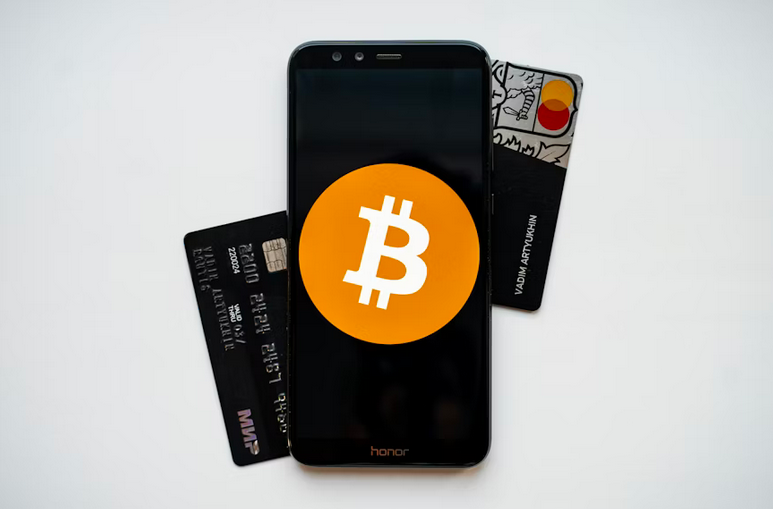
Speed is one of the most noticeable differences between the two systems. Traditional payments rely on banks and intermediaries. Each step adds time to the process. Crypto transactions, on the other hand, move directly through blockchain networks. This reduces delays. Players often receive their winnings faster. Efficiency also plays a role. Fewer intermediaries mean fewer points of failure. This can help ensure smoother transactions. However, network congestion can sometimes slow down crypto transfers. While rare, it is still a factor to consider.
Security and Privacy Considerations
Security is critical in online gambling. Traditional casinos use encrypted systems to protect financial data. These systems are reliable but require users to share personal information. Crypto casinos offer a different approach. Transactions are recorded on a blockchain, which is transparent and secure. Users do not always need to provide the same level of personal detail. This can increase privacy. However, responsibility shifts to the user. Managing digital wallets requires care. If access is lost, funds may not be recoverable. Both systems have strong security features, but they operate in different ways.
Fees and Financial Control

Fees can affect the overall gambling experience. Traditional payment methods often include processing charges. Currency conversion fees may also apply for international players. Crypto payments usually have lower fees. Transactions often bypass banks, reducing extra costs. This can make a noticeable difference over time. Financial control is another point of contrast. Crypto users manage their own funds through digital wallets. This provides more direct control. Traditional systems rely on third parties, which can limit flexibility. Each approach offers its own balance of convenience and independence.
Player Preferences and Industry Trends
Player preferences are shifting as technology evolves. Some users prefer the familiarity of traditional payments. They value stability and clear regulations. Others are drawn to crypto for its speed and privacy. Younger players, in particular, show interest in digital currencies. This trend is influencing how platforms design their payment systems. Many casinos now support both options. This hybrid approach allows players to choose what works best for them. It reflects the changing landscape of online gambling. The industry continues to adapt as new technologies emerge.
Crypto and traditional casinos represent two different approaches to online payments. Traditional methods offer reliability and ease of use. Crypto options provide speed, lower fees, and greater privacy. Each system has strengths and limitations. The right choice depends on individual priorities. Some players may prefer the familiarity of banks, while others value the flexibility of digital currencies. As online gambling grows, payment trends will continue to evolve. Understanding these systems helps players navigate the space with confidence and make informed decisions.